104 Views 24th May 2024
Collection Development Unit
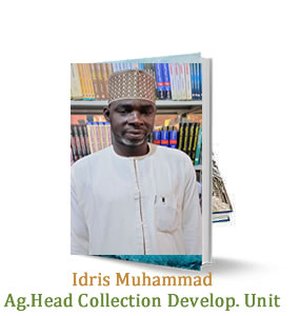
Haruna Wakili Library Collection Development Unit is dedicated to building and maintaining a diverse, comprehensive, and up-to-date collection of resources that support the academic and research needs of the university community. Through strategic planning, collaboration, and ongoing assessment, the unit ensures that the library’s collection remains relevant and valuable. Here are the key aspects of the Collection Development Unit’s initiatives:
Selection and Acquisition
The Collection Development Unit conducts regular needs assessments to understand the evolving requirements of
students, faculty, and researchers. This involves analyzing usage patterns, soliciting feedback, and keeping abreast of curricular changes and emerging research trends.Based on identified needs, the unit carefully selects resources, including books, journals, multimedia, and digital content. Selection criteria include relevance, quality, authoritativeness, and currency. The unit prioritizes materials that support the university’s academic programs and research initiatives.
The unit manages the acquisition of new materials through various channels, including publishers, vendors, and donations. Efficient procurement practices ensure timely access to new resources, while maintaining cost-effectiveness and adherence to budget constraints.
Collection Management
New acquisitions are systematically cataloged and classified using standardized systems such as the Dewey Decimal Classification (DDC) or Library of Congress Classification (LCC). This ensures that all materials are organized for easy retrieval and integration into the library’s catalog.
The unit regularly reviews the collection to identify outdated, damaged, or rarely used materials. The weeding process ensures that the collection remains current and in good condition. Deaccessioned items are either repurposed, donated, or responsibly disposed of.
To extend the lifespan of the collection, the unit employs preservation and conservation techniques. This includes proper storage, binding, and repair of physical materials, as well as digital preservation strategies for electronic resources.
Digital Collections
Recognizing the importance of digital access, the Collection Development Unit actively expands the library’s collection of e-books and e-journals. These digital resources provide convenient, remote access to information, supporting the needs of a tech-savvy academic community.
The unit subscribes to a variety of academic databases and online resources, offering extensive coverage of disciplines and subjects. These resources are crucial for supporting in-depth research and providing access to scholarly articles, data sets, and other specialized information.
Faculty Collaboration:
The Collection Development Unit works closely with faculty members to ensure the collection supports teaching and research needs. Faculty recommendations are highly valued, and collaborative efforts include selecting course materials and developing subject-specific collections.
Consortia and Partnerships:
The unit engages in consortia and partnerships with other libraries and institutions to enhance resource sharing and access. These collaborations expand the range of available materials and provide cost-effective solutions for acquiring expensive or rare resources.
Assessment and Evaluation
Regular analysis of resource usage provides insights into the effectiveness of the collection. The unit tracks borrowing patterns, electronic resource access, and user feedback to assess the relevance and impact of the collection.
The Collection Development Unit actively seeks feedback from the university community through surveys, suggestion boxes, and direct communication. This feedback informs decision-making and helps align the collection with user needs and preferences.
Ongoing strategic planning ensures that the collection evolves in alignment with the university’s goals and objectives. The unit sets priorities, allocates resources, and adapts to changes in academic and research landscapes.

